
 vn
vn

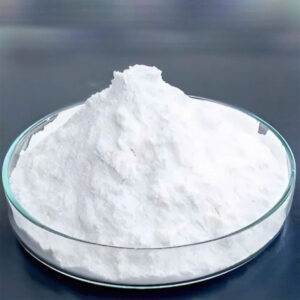
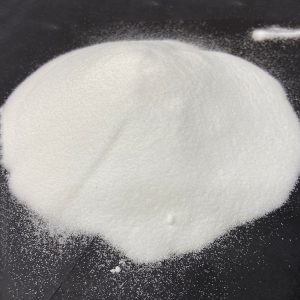
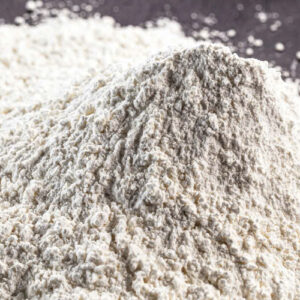
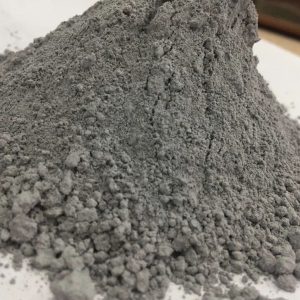
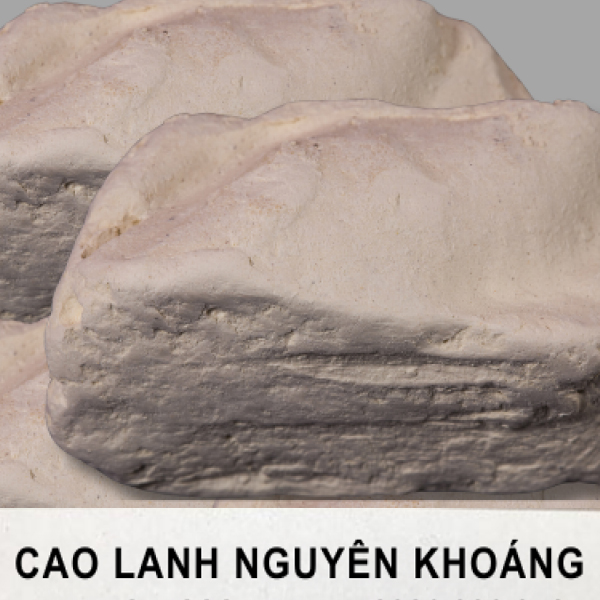
What is kaolin?
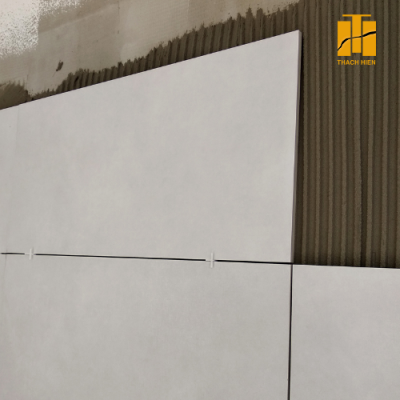
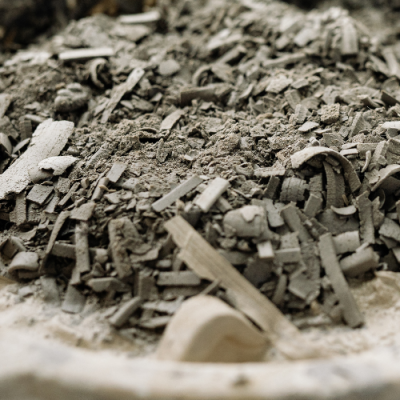
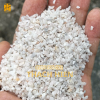
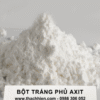
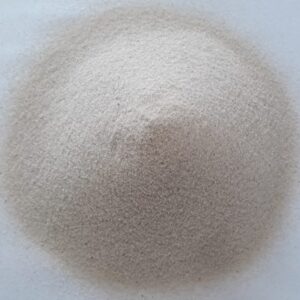
Kaolin has the English name Kaolin, and is also known as kaolin soil. Kaolin is a very special type of clay that is white, very friable and can withstand high temperatures. For the industry, kaolin soil also plays an important role in the production of ceramics, tiles, heat-resistant materials, grinding stones, alum, rubber, white cement, fertilizers, pesticides, etc.
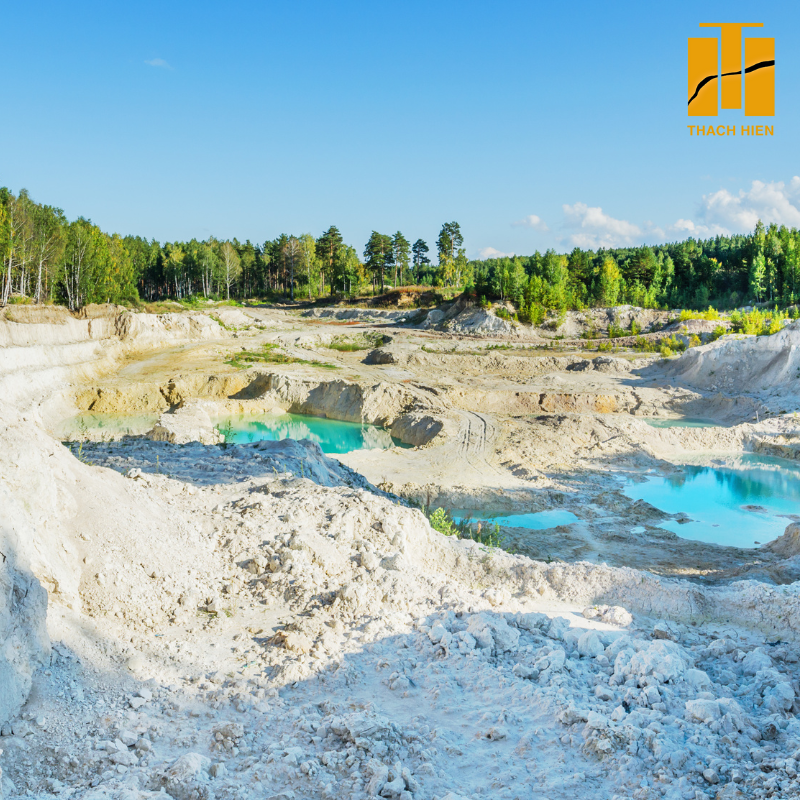
Properties of Kaolin
| RECIPE | Al2O3.2SiO2.2H2O or Al4 (OH) 8Si4O10 |
| SPECIFIC GRAVITY | 2,58-2,60 g/cm3 |
| HARDNESS | About 1 on the Mohs scale |
| Melting Temperature | 1.750-1.787 oC |
Classification of kaolin
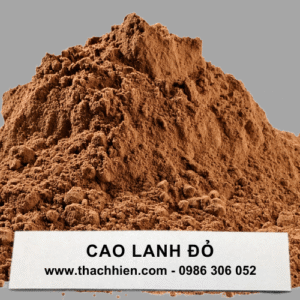
Based on product color and properties, at Thach Hien we have 4 types of kaolin including:
– Raw mineral kaolin
– Ground kaolin
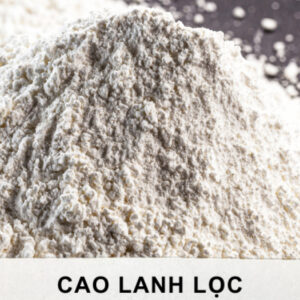
– Filtered kaolin
– Super fine filtered kaolin
Depending on the purpose of use, kaolin powder is ground to different finenesses, meeting customer needs. We provide kaolin products according to customers’ own standards.
Applications of Kaolin
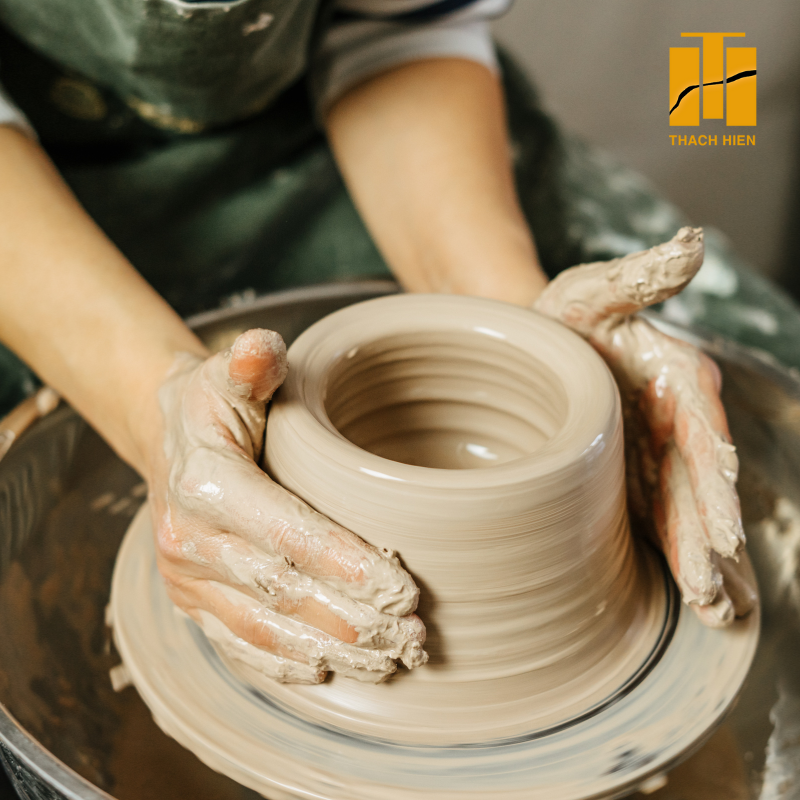
Ceramic production sector
Kaolin used in the ceramic production field is classified according to its refractory and content Al2O3 + TiO2, sintering temperature, dye oxide content, plasticity, diffusion density and bulk content
- Based on refractory temperature, kaolin is classified into very high refractory (above 1,750oC), high (above 1,730oC), medium (above 1,650oC) and low (above 1,580oC).
- According to the composition Al2O3 + TiO2, in the heated state at high temperature, kaolin is classified into Super Basic, High Basic, Basic, or Acid.
- According to the degree of sintering, it is divided into low temperature sintering (up to 1,1000C), medium temperature sintering (1,100-1,300C) and high temperature sintering (above 1,300C).
- In addition, people also rely on the plasticity of the product to divide kaolin into highly plastic, medium plastic, low plastic, less plastic and non-plastic kaolin.
To evaluate the quality of kaolin used in the ceramic manufacturing industry, it is necessary to rely on the properties and technical specifications of the industry.
For example: The best raw material for making Acid-resistant ceramics is kaolin which does not contain calcite, gypsum, pyrite, coarse dispersion material, does not contain much sand, has high adhesion and plasticity. The iron oxide content for important products should not exceed 1.5%, and for less important products it should not exceed 3%. The calcium oxide content should not exceed 1% for important products and not exceed 2% for less important products.
Production of refractory materials
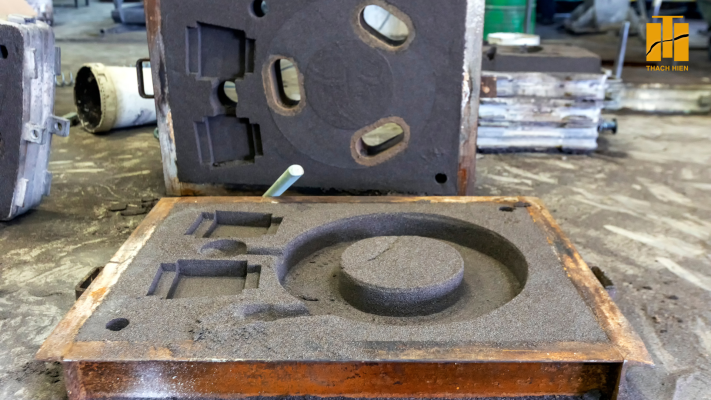
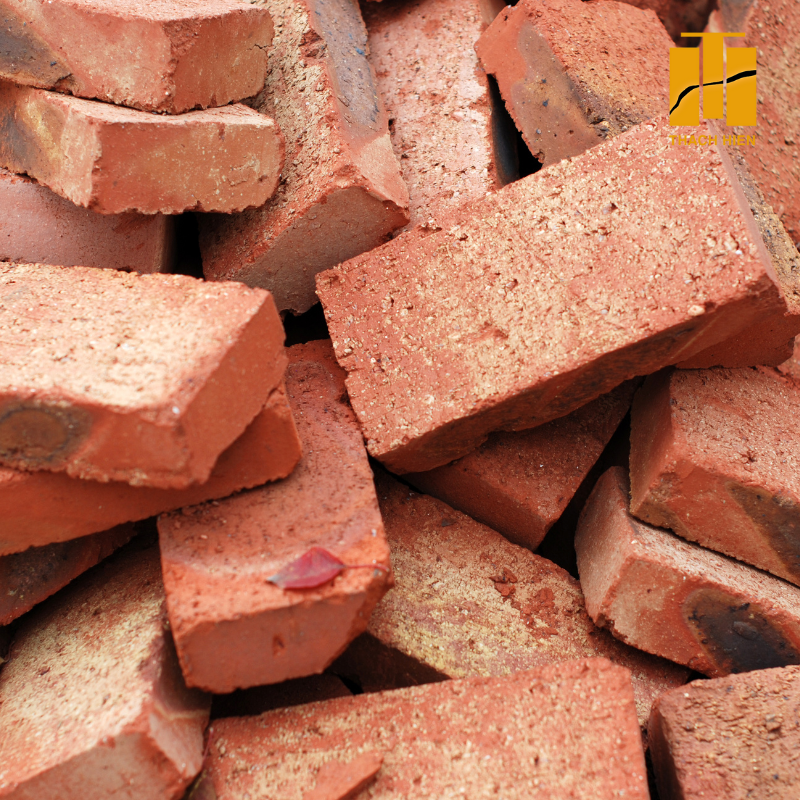
In the refractory industry, kaolin is used to produce refractory bricks, half-acid bricks and other refractories.
- The aluminosilicate refractory industry is one of the industries that uses the most kaolin. To produce one ton of refractory bricks, 1.4 tons of kaolin are needed.
- To evaluate and classify the quality of kaolin used for the refractory industry, it is necessary to pay attention to two factors: the maximum refractory temperature and the presence of oxides. When the Al2O3 content increases, the refractory strength also increases; if there is free silicon oxide in the form of sand particles, it will reduce the plasticity of kaolin.
- Kaolin used in the production of refractory materials is divided into the following types:
+ Base Type: Al2O3 + TiO2 content over 30%;
+ Semi-Acid type: Al2O3 + TiO2 content below 30%;
+ Coal mix: Loss during firing is over 16-20%.
In the fertilizer and pesticide production industry
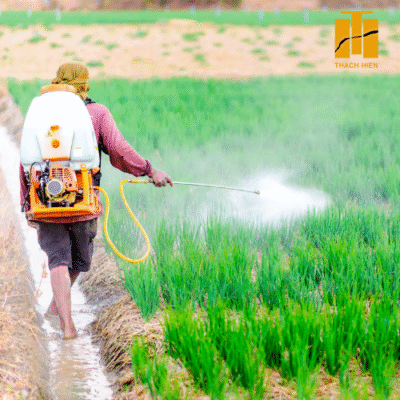
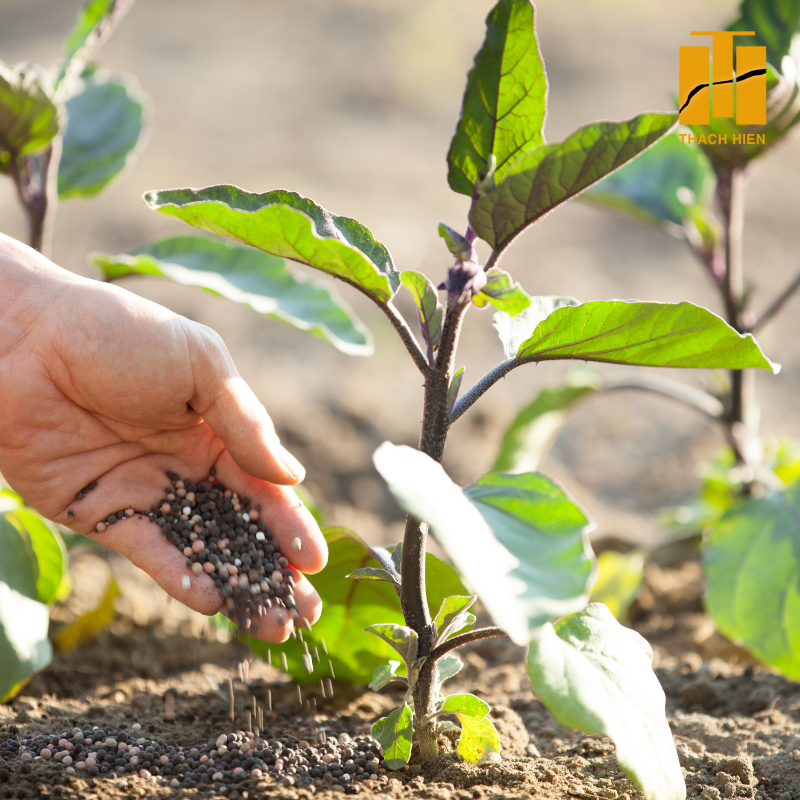
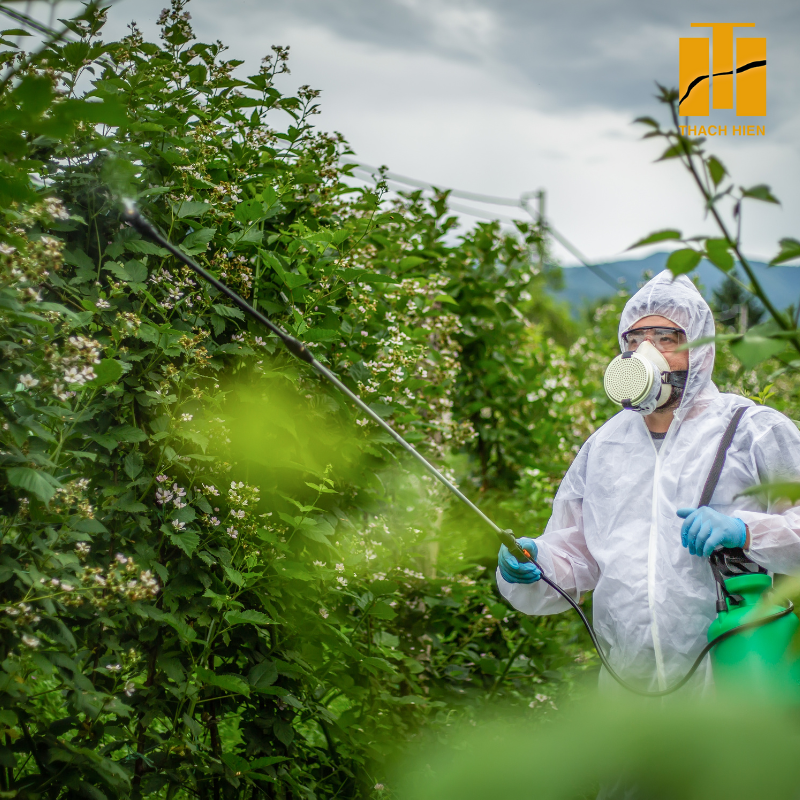
Kaolin is used as a filler and coating agent, which is very important in preserving and improving the quality of fertilizers. In the production of pesticides, kaolin helps to improve diffusion, adhesion and chemical inertness.
In the paper industry
Kaolin gives the paper a smoother surface, increases the tightness, reduces the opacity and increases the ink absorption to the best level. Normal paper contains 20% kaolin, some paper contains up to 40% kaolin.
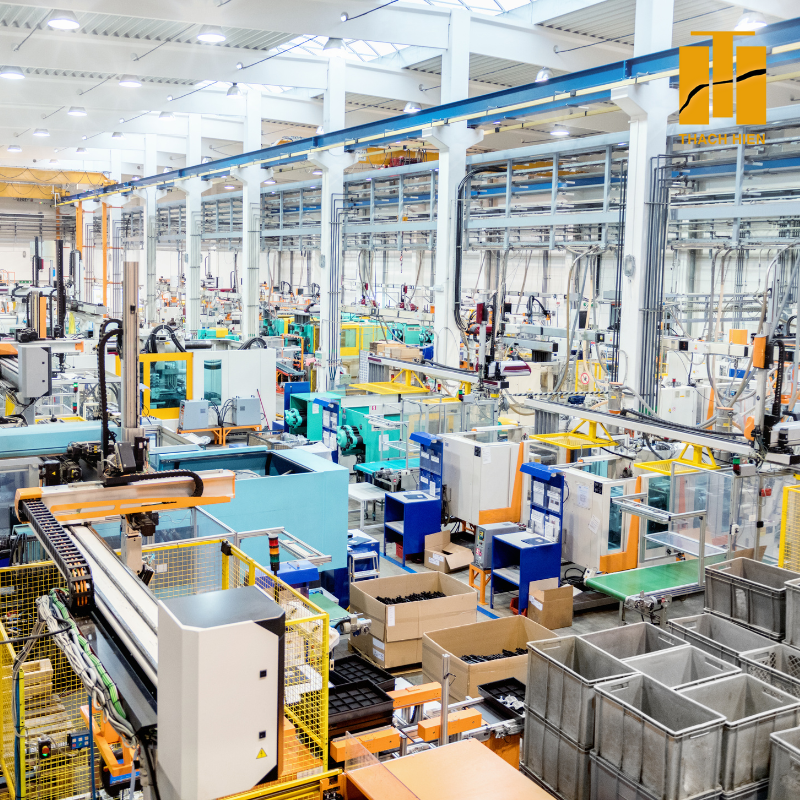
In the rubber industry
Kaolin increases the hardness, elasticity, insulation and durability of rubber.
Kaolin standards for use in the rubber industry
| CHEMICAL COMPOSITION | Content |
| Fe2O3 | < 0,75% |
| SO4– | < 0,4% |
| Particle size | < 1.670 holes /cm |
| Humidity | < 1% |
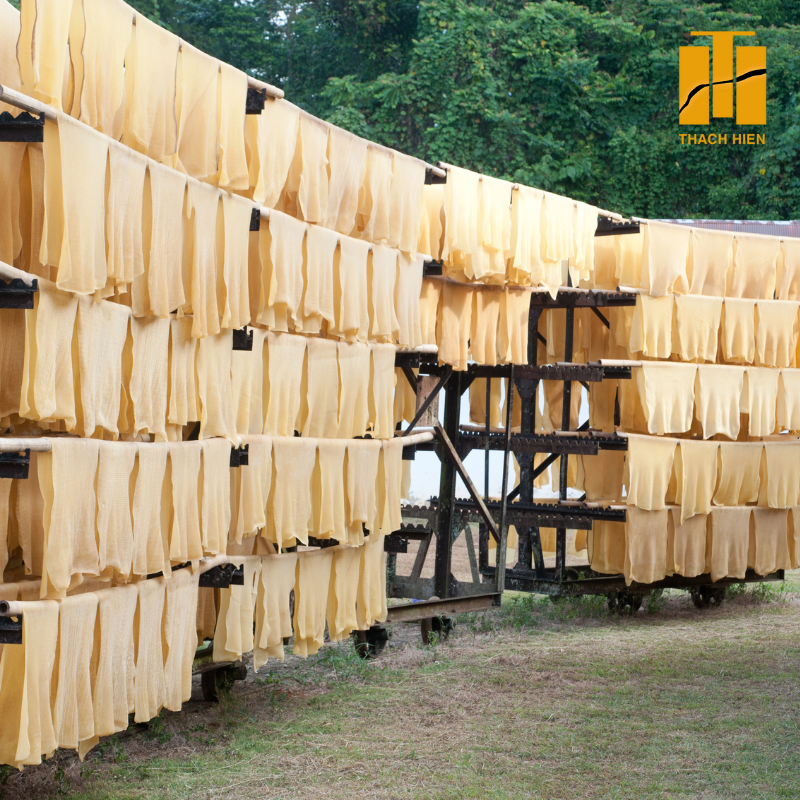
In the production of artificial leather (faux leather)
Kaolin is a filler in the artificial leather manufacturing industry that increases durability and elasticity. To make artificial leather filler, Kaolin passing through No15 sieve must have whiteness > 85%, Fe2O3 content < 0.75%, SO4- < 0.4%; humidity < 5%.
Kaolin standards used in the artificial leather industry
| CHEMICAL COMPOSITION | CONTENT |
| Whiteness | > 85% |
| Fe2O3 | < 0,75% |
| SO4– | < 0,4% |
| Humidity | < 5% |
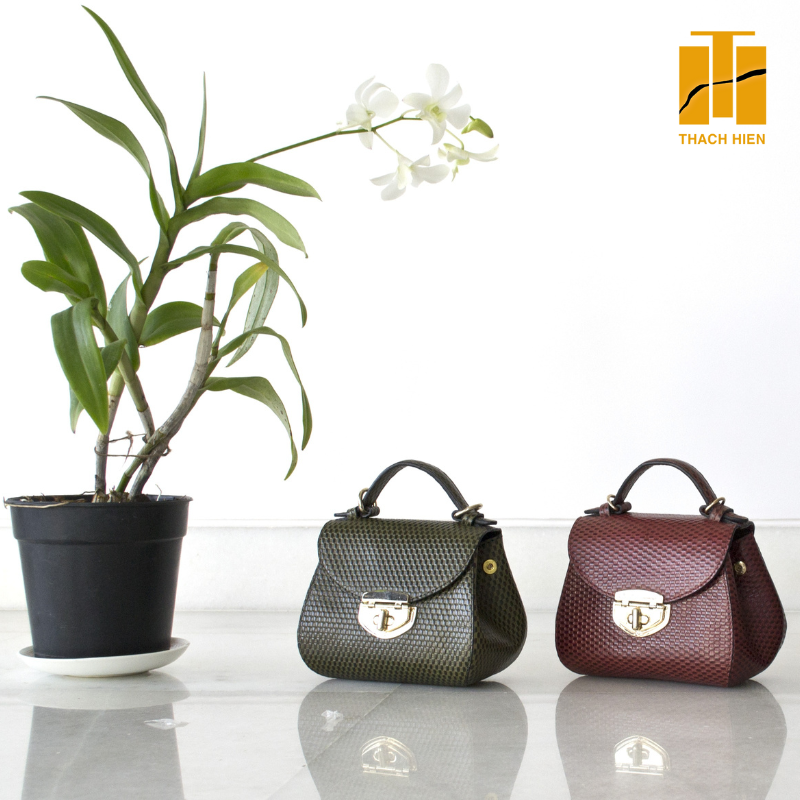
In the production of paint and adhesives
In the paint industry it increases the viscosity and causes the paint to become opaque. As a filler in the adhesive industry.
Kaolin standards used in paint and adhesive manufacturing industry
| CHEMICAL COMPOSITION | CONTENT/strong> |
| Density | 2,6 g/cm3 |
| Grain size | 2,4-5 m < 58% |
| Oil tolerance | 46,5-59 cm3/100 g |
| NO MIXATION OF ALKALINES AND ACIDS IN FREE STATE | |
Trong sản xuất xà phòng
Cao lanh có tác dụng đóng rắn khi sản xuất, hấp thụ dầu mỡ khi sử dụng.
Tiêu chuẩn cao lanh dùng trong ngành công nghiệp sản xuất xà phòng
| THÀNH PHẦN HOÁ HỌC | HÀM LƯỢNG |
| Độ hạt dưới rây 0, 053 mm | >90%, không lẫn cát |
| Fe2O3 | 2-3% |
| TiO2 | 1% |
| Bazơ trao đổi | 0,8-2% |
| Carbonat | 15-20% |
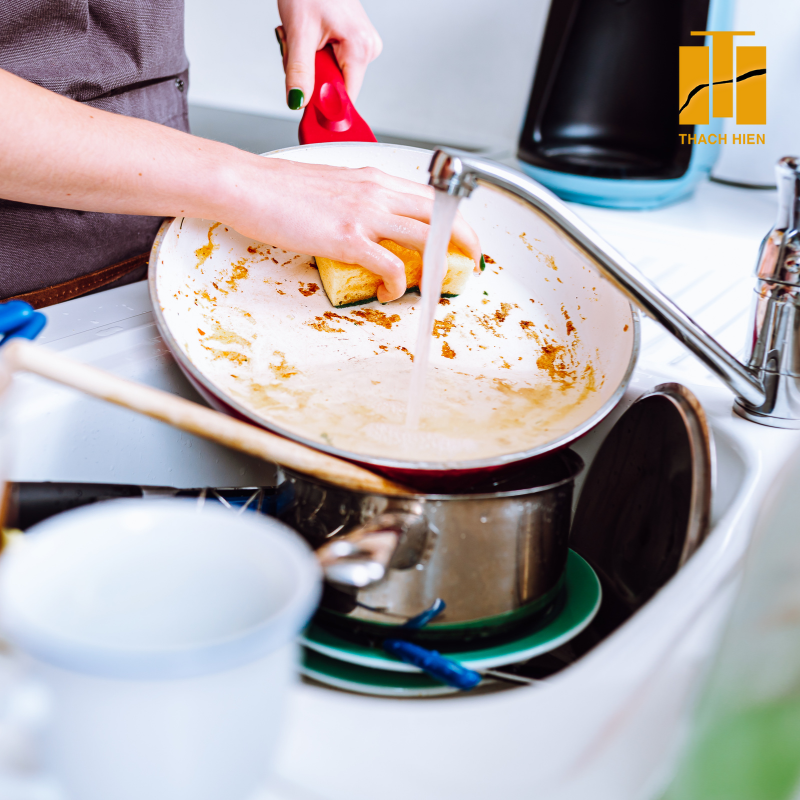
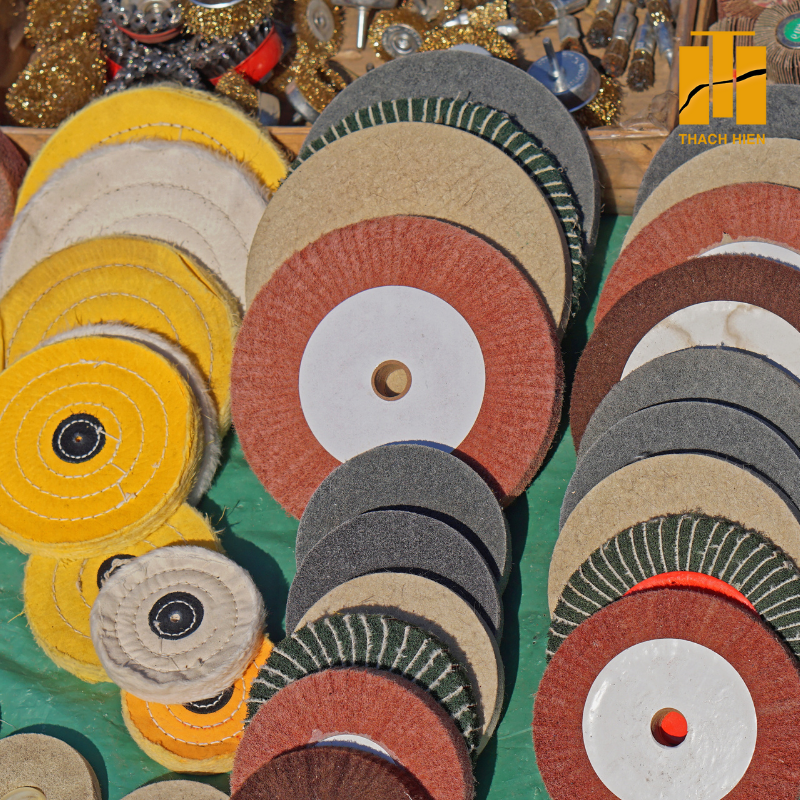
In the production of grinding discs
People compress a mixture of abrasive particles (Corundum powder, diamond powder) with a mixture of kaolin, quartz, and feldspar and heat it at 1,350°C.
Kaolin standards used in grinding disc manufacturing industry
| CHEMICAL COMPOSITION | Content |
| Al2O3 + TiO2 | < 0,75% |
| Fe2O3 | < 0,4% |
| Refractory temperature | < 1.670 hole/cm |
With more than 15 years of experience in the industry of providing manufacturing additives, THACH HIEN COMPANY LIMITED is committed to providing customers with products that meet standards with the best quality. Customers who need more detailed advice on parameters as well as black stone prices according to each size, please contact: Hotline 0986 306 052.